

Still Tired After 8 Hours of Sleep? 7 Possible Reasons for Poor Sleep Quality


Eight hours sounds like a full night. So why do you sometimes wake up feeling as though your body barely rested?
The answer is that sleep health is not measured by the clock alone. Duration matters, but so do continuity, timing, breathing, environment, and your physical and emotional health. Adults are generally advised to get at least seven hours of sleep, yet individual needs vary—and time spent in bed is not always the same as time spent asleep.
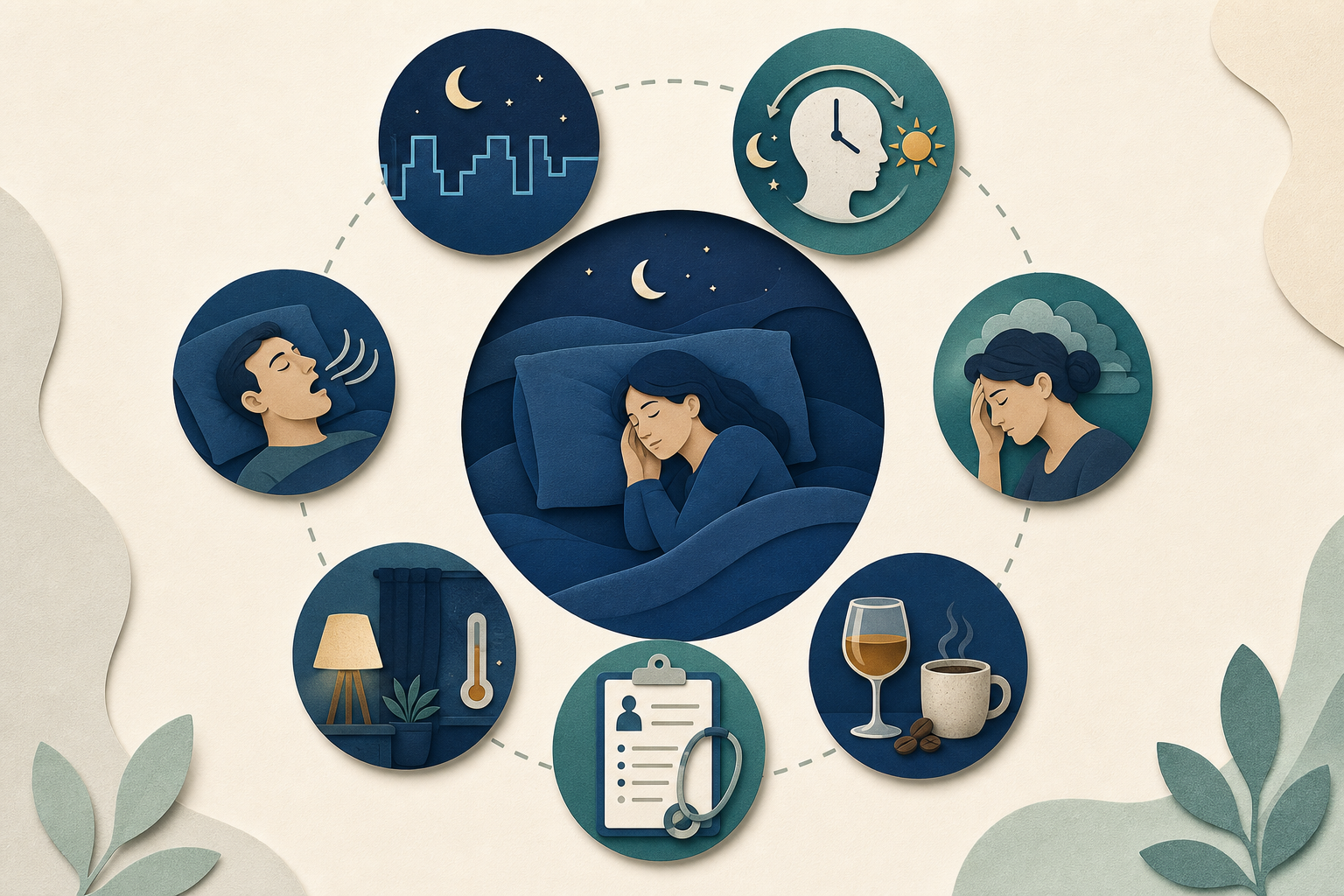
If you regularly wake up tired, the following seven possibilities can help you decide what to observe and what to discuss with a healthcare professional.
1. Your sleep may be more fragmented than you realize
You can be in bed for eight hours without getting eight hours of restorative sleep. Noise, light, pain, temperature changes, a restless partner, pets, or repeated bathroom visits may briefly wake you. Some awakenings are so short that you do not remember them in the morning.
Clues include waking frequently, noticing long gaps during the night, or feeling unusually sleepy during quiet daytime activities. A simple sleep diary can help: for one or two weeks, record bedtime, estimated time to fall asleep, awakenings, wake time, naps, and how refreshed you feel.
2. Your body clock and schedule may be out of sync
Sleep is influenced by circadian rhythms—your internal timing system. A constantly changing bedtime, weekend sleep-ins, shift work, travel, or bright light late at night can make sleep occur at a time that does not match your body’s preferred rhythm.
Try keeping your wake time reasonably consistent, including on weekends. Morning daylight and regular daytime activity can also support a steadier sleep-wake pattern.
3. Stress may be keeping your brain alert
You may fall asleep while still carrying mental tension into the night. Work pressure, caregiving, anxiety, grief, or low mood can contribute to lighter sleep, early waking, or the sense that your mind never fully switched off.
A calmer final hour may help: dim the lights, move demanding tasks earlier, put the phone away, and choose a quiet routine such as reading, gentle stretching, or slow breathing. Persistent anxiety, depression, or insomnia symptoms deserve professional support; they are health concerns, not personal failures.
4. Caffeine or alcohol may be affecting sleep quality
Caffeine can remain active for hours, so an afternoon coffee or energy drink may affect the night even if you fall asleep without difficulty. Alcohol can make some people feel sleepy initially, but it is not a reliable sleep aid and may contribute to a more disrupted night.
Notice timing as well as quantity. Consider moving caffeine earlier in the day and avoiding alcohol close to bedtime, then observe whether your mornings change.
5. Your bedroom may be working against you
A bedroom that is too warm, bright, noisy, or uncomfortable can produce repeated arousals. Small changes often matter more than expensive products.
Aim for a room that is quiet, dark, and comfortably cool. Silence notifications, reduce stray light, and make sure your pillow and mattress allow a comfortable sleeping position. If outside noise cannot be controlled, consistent background sound may be less disruptive than unpredictable bursts.
6. A sleep disorder could be interrupting your rest
Obstructive sleep apnea is one possible cause of unrefreshing sleep. Warning signs can include frequent loud snoring, breathing that starts and stops, gasping during sleep, morning headache, dry mouth, and excessive daytime sleepiness. People often do not know what happens while they sleep, so observations from a partner can be useful.
These symptoms do not confirm sleep apnea on their own. A healthcare professional may recommend a sleep evaluation or sleep study to determine the cause. Insomnia, restless legs syndrome, and other sleep disorders can also affect how restored you feel.
7. A health condition or medication may be contributing
Fatigue has many possible causes beyond sleep. Anemia, thyroid disorders, infection, persistent pain, diabetes, depression, and other conditions may contribute. Some medicines—including certain antihistamines, antidepressants, pain medicines, and blood pressure medicines—can cause drowsiness or fatigue.
Do not stop or change a prescribed medicine on your own. If the timing of your fatigue changed after starting a medicine or adjusting a dose, ask your prescriber or pharmacist to review it with you.
What you can try this week
Start with a short, realistic experiment rather than changing everything at once:
1. Keep the same wake time for seven days.
2. Give yourself enough time for sleep, not just eight hours in bed.
3. Move caffeine earlier and avoid alcohol near bedtime.
4. Make the bedroom quiet, dark, and comfortably cool.
5. Create a low-stimulation final hour before bed.
6. Track awakenings, naps, snoring reports, and morning energy.
This record is useful even if the changes do not solve the problem—it gives a healthcare professional clearer information.

When to talk to a healthcare professional
Arrange an appointment if fatigue has lasted for several weeks, keeps returning, affects work or daily life, or continues despite adequate sleep and basic routine changes. Seek advice sooner if you have loud snoring with gasping or witnessed breathing pauses, frequent morning headaches, unexplained weight change, persistent low mood, or other new symptoms.
If you feel sleepy enough that driving or operating equipment may be unsafe, stop and do not push through it.
The takeaway
Eight hours is a useful number, but it is not a complete measure of restorative sleep. Look at the full pattern: how consistently you sleep, how often you wake, how you breathe, what you consume, how the room feels, and how your health has changed. A few careful observations can reveal a fixable habit—or show that it is time for a medical evaluation.
Medical note: This article is for general education and does not diagnose or treat any condition. Individual sleep needs and medical circumstances vary. Consult a qualified healthcare professional for personal advice.